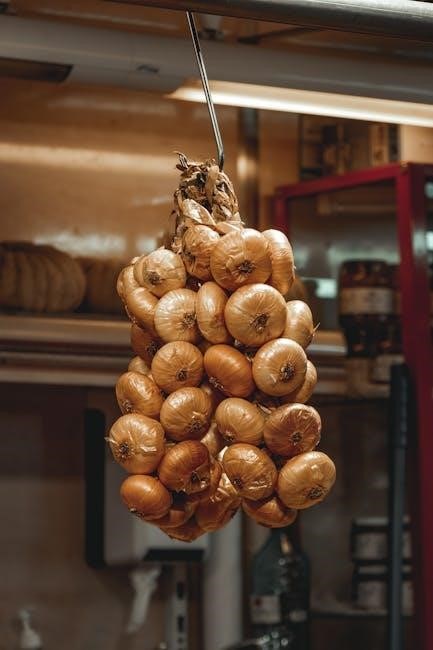
Dixondale Farms is a trusted name in onion cultivation, offering over a century of expertise. Their guide provides valuable insights for gardeners, ensuring optimal growth and harvest success.
Overview of Dixondale Farms and Their Expertise
Dixondale Farms, based in Carrizo Springs, Texas, has over a century of experience in onion cultivation. Established in the early 1900s by John Mabson McClendon, the farm specializes in growing high-quality onion plants tailored to various climatic zones. Their expertise lies in breeding and distributing onion varieties like long-day onions, which thrive in regions like Iowa. With a focus on sustainability and customer satisfaction, Dixondale Farms has become a trusted name for gardeners seeking reliable onion planting guidance and premium products.
Importance of Proper Onion Planting Techniques
Proper onion planting techniques are essential for maximizing growth, health, and yield. They ensure strong root development, uniform bulb formation, and resistance to pests and diseases. Incorrect methods can lead to stunted growth, uneven maturation, and reduced harvest quality. By following Dixondale Farms’ guidance, gardeners can optimize soil preparation, spacing, and timing, resulting in robust, flavorful onions. This expertise helps overcome common challenges, such as small bulb size, ensuring a successful and bountiful harvest for both experienced growers and beginners.
Understanding Onion Varieties
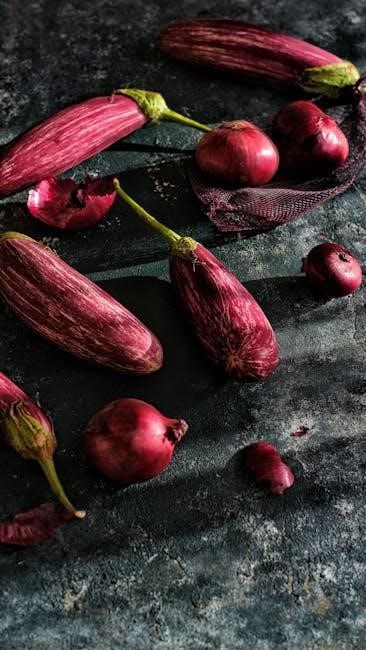
Understanding onion varieties is crucial for successful cultivation. Dixondale Farms specializes in long-day and short-day onions, tailored to specific climates, ensuring optimal growth and flavor for gardeners nationwide.
Long-Day vs. Short-Day Onions
Long-day onions require 14-16 hours of daylight to bulb, thriving in northern regions, while short-day onions bulb with 10-12 hours, ideal for southern climates. Dixondale Farms specializes in both, ensuring gardeners select varieties suited to their location for optimal growth and flavor. Proper variety choice is key to successful onion cultivation, as daylight exposure directly impacts bulb formation and yield. Understanding this distinction helps gardeners maximize their harvest and enjoy delicious, homegrown onions year-round.
Best Varieties for Different Climatic Zones
Dixondale Farms offers onion varieties tailored to specific climates, ensuring optimal growth nationwide. For southern regions, Texas Legend and Redwing thrive, while northern areas benefit from varieties like Ringmaster. Each type adapts to local conditions, providing robust yields and flavor. Selecting the right variety for your zone is crucial for success, as climate and daylight hours significantly impact bulb formation. Dixondale’s expertise helps gardeners choose wisely, ensuring a bountiful harvest regardless of location.
Soil Preparation for Onion Planting
Proper soil preparation is vital for onion growth. Dixondale Farms recommends well-draining, fertile soil with a mix of clay, sand, and humus for optimal root development and bulb formation.
Optimal Soil Type for Onion Growth
Onions thrive in well-draining, fertile soil with a mix of clay, sand, and humus. Dixondale Farms recommends a balanced soil structure to promote healthy root development and bulb formation. The ideal soil type is loamy, with a pH between 6.0 and 7.0, ensuring proper nutrient absorption and water retention. Avoid heavy clay or sandy soils, as they can hinder growth. Proper soil preparation is crucial for maximizing onion yields and achieving optimal flavor and texture.
Importance of Soil pH and Fertility
Soil pH and fertility are critical for onion growth. Onions prefer a slightly acidic to neutral soil pH, ranging from 6.0 to 7.0. A balanced pH ensures optimal nutrient availability, promoting healthy bulb formation. Poor soil fertility can lead to stunted growth and smaller bulbs. Regular soil testing and amending with organic matter or fertilizers can enhance fertility. Dixondale Farms emphasizes the importance of maintaining fertile soil to achieve robust, flavorful onions and a successful harvest.
Adding Organic Matter for Better Yield
Incorporating organic matter into the soil is essential for improving its structure and fertility, which directly benefits onion growth. Materials like compost, aged manure, or peat moss enrich the soil, enhancing water retention and nutrient availability. This promotes healthy root development and robust bulb formation. Dixondale Farms recommends adding organic matter before planting to create a fertile base for your onions, ensuring a bountiful and flavorful harvest while supporting sustainable gardening practices.
Planting Onions: Timing and Spacing
Proper timing and spacing are crucial for successful onion growth. Dixondale Farms recommends planting at the right time for your region and spacing plants adequately to prevent overcrowding.
Best Time to Plant Onions in Your Region
Planting onions at the right time is essential for a successful harvest. In northern regions, plant long-day onions in early spring or late summer. For southern areas, short-day onions thrive when planted in late winter. Dixondale Farms recommends planting in Iowa during early spring or late summer for long-day varieties. In Southern Louisiana (Zone 9a), planting in late winter yields optimal results. Ensure soil temperature is around 40°F to 50°F for ideal germination and growth.
Proper Spacing for Onion Plants
Proper spacing is crucial for healthy onion growth. Dixondale Farms recommends planting onion sets 4-6 inches apart and rows 12-18 inches apart. This allows adequate air circulation, reducing disease risk and making weeding easier. Proper spacing ensures bulbs have room to develop, leading to a bountiful harvest. Follow Dixondale’s guidelines for optimal results.
Depth of Planting for Optimal Growth
Proper planting depth is essential for onion growth; Plant onion sets with the tip just above the soil surface, about 1 inch deep. This allows roots to establish without burying the bulb, preventing rot. Firm the soil gently to avoid settling. Dixondale Farms recommends this method to ensure healthy development and maximize yield. Proper depth promotes strong root systems and even bulb formation, leading to a successful harvest.
Caring for Onion Plants
Proper care ensures healthy onion growth. Maintain consistent moisture, provide full sunlight, and fertilize regularly. Dixondale Farms’ guide offers tailored advice for optimal plant health and productivity.
Watering Techniques for Onions
Consistent moisture is key for onion growth. Water deeply once or twice a week, depending on weather. Avoid overwatering, which can lead to rot. During the bulbing phase, ensure about 1 inch of water per week. Mulching helps retain moisture and suppress weeds. Proper drainage is essential to prevent waterlogged soil. Dixondale Farms recommends maintaining soil moisture but not saturation for healthy bulb development and flavor.
Sunlight Requirements for Onion Growth
Onions thrive in full sun, requiring at least 6-8 hours of direct sunlight daily. Ensure the planting area receives unobstructed sunlight, as insufficient light can lead to smaller bulbs or poor formation. Avoid shading from nearby plants or structures. Proper sunlight exposure promotes healthy growth and bulb development. Dixondale Farms recommends selecting a sunny spot for optimal results, ensuring your onion plants receive the light they need to flourish.
Fertilization Schedule for Onions
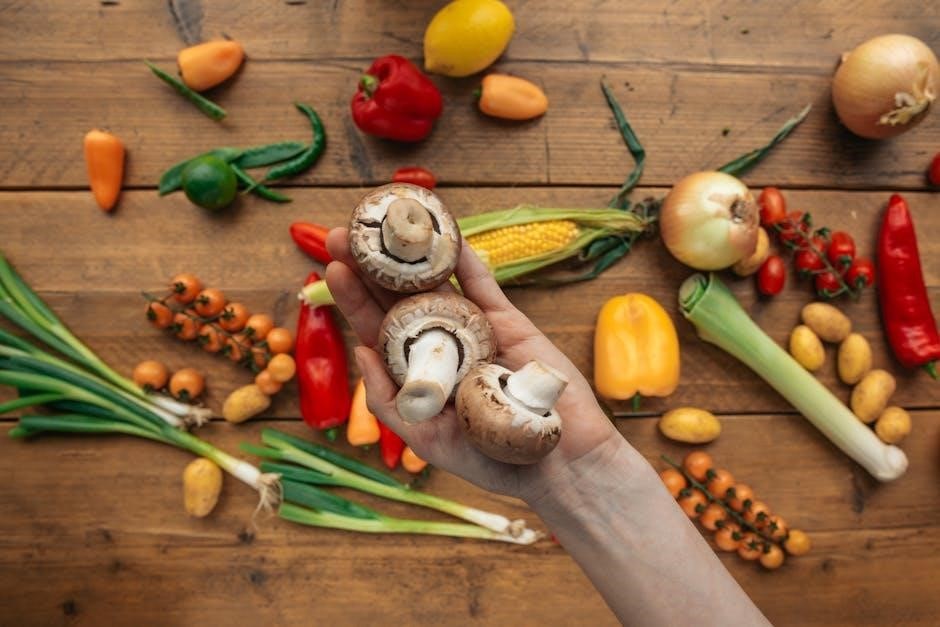
A well-planned fertilization schedule is crucial for healthy onion growth. Start with a balanced fertilizer (10-10-10) at planting time, applying it lightly around the plants. Follow up with a high-phosphorus booster (10-20-10) a month later to promote bulb formation. Avoid over-fertilizing, as this can lead to excessive foliage growth at the expense of bulb size. Dixondale Farms recommends maintaining consistent soil fertility throughout the growing season for optimal yields and robust onion development.
Common Challenges in Onion Planting
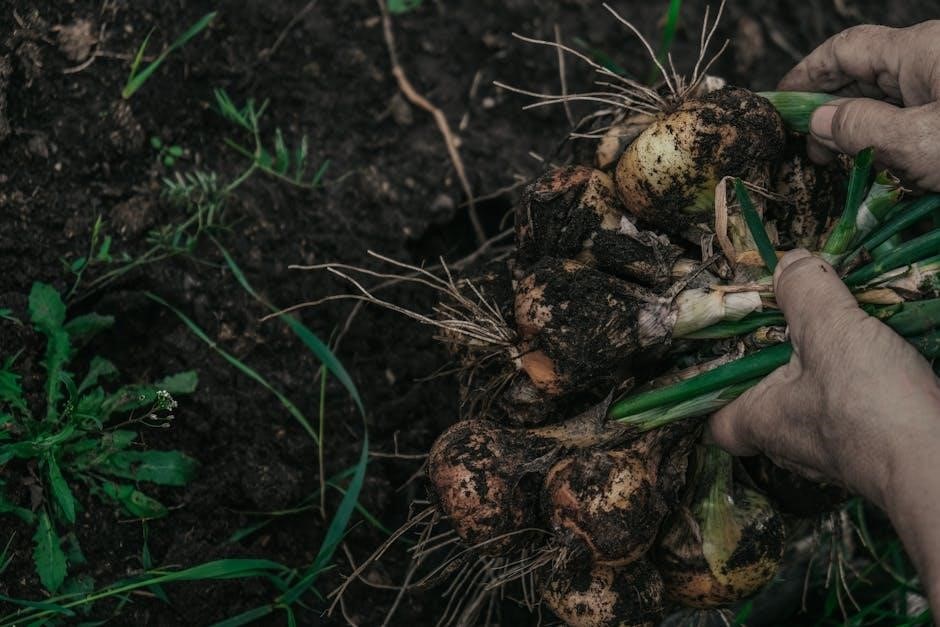
Onion planting often faces challenges like pests, diseases, and weather extremes. Proper techniques and care are essential to mitigate these issues and ensure a successful harvest.
Pests and Diseases Affecting Onions
Onions are susceptible to pests like thrips and diseases such as powdery mildew. Regular monitoring, crop rotation, and proper watering can help prevent these issues. Using natural predators and fungicides when necessary ensures healthy growth. Dixondale Farms recommends maintaining clean soil and avoiding overwatering to reduce disease risks. Addressing these challenges early is crucial for a successful harvest and high-quality bulbs.
Weed Management Strategies
Effective weed control is essential for healthy onion growth. Mulching and hand-weeding are recommended to prevent competition. Regular cultivation and proper spacing also help suppress weeds. Dixondale Farms suggests using shallow hoeing to avoid damaging onion roots. Timing weed removal before they seed prevents future infestations. Maintaining clean soil and promoting healthy plant growth reduces weed pressure, ensuring optimal bulb development and a successful harvest.
Addressing Nutrient Deficiencies
Onions require balanced nutrients for optimal growth. Soil testing helps identify deficiencies, allowing targeted fertilization. Nitrogen promotes leaf growth, while phosphorus supports bulb development. Potassium enhances overall plant health. Regularly adding organic matter improves soil fertility. Dixondale Farms recommends monitoring for yellowing leaves or stunted growth, which may indicate nutrient shortages. Addressing deficiencies promptly ensures robust onion plants and a bountiful harvest. Proper fertilization schedules and soil preparation are key to preventing and correcting nutrient-related issues.
Harvesting Onions
Dixondale Farms guides gardeners on optimal harvesting techniques. Onions are ready when tops yellow and fall over. Carefully lift bulbs with a fork, avoiding damage. Dry thoroughly before storage for best quality and longevity.
Signs of Readiness for Harvest
Onions are ready to harvest when the tops naturally yellow and fall over, indicating maturity. The neck of the plant becomes dry, and the bulb is firm. Check for a papery skin covering the bulb, a sign of proper curing; Avoid waiting too long, as over-mature onions may split. Dixondale Farms recommends lifting the bulbs carefully with a fork to prevent damage. Proper timing ensures the best flavor and storage quality for your homegrown onions.
Proper Techniques for Harvesting
For optimal results, gently loosen the soil around the onion bulbs with a garden fork before lifting them. Avoid damaging the bulbs by digging too close or using excessive force. Once harvested, handle the onions carefully to prevent bruising. Dixondale Farms recommends drying the bulbs in a warm, dry place to complete the curing process. Remove any excess foliage and store the onions in a cool, well-ventilated area to ensure long-term freshness and flavor retention.
Post-Harvest Storage Tips
After curing, store onions in a cool, dark, well-ventilated area. Use breathable containers like paper bags or mesh bags to maintain airflow. Avoid airtight containers, as they can promote mold. Check stored onions periodically and remove any that show signs of spoilage. For long-term storage, keep onions at 32-40°F (0-4°C) with low humidity. Properly stored onions can last up to 8 months. Dixondale Farms recommends using older onions first to ensure freshness and minimize waste.
Companion Planting with Onions
Onions enhance growth and deter pests when planted alongside tomatoes, carrots, and herbs. Avoid pairing with beans and peas, as onions can stunt their growth.
Benefits of Companion Planting
Companion planting with onions enhances growth, deters pests, and improves flavor. Onions repel aphids, mites, and other pests, protecting nearby plants. They also improve soil health and reduce competition for nutrients, promoting a balanced ecosystem. Pairing onions with tomatoes, carrots, and herbs like rosemary or thyme can boost overall garden productivity. This method supports sustainable gardening by reducing the need for pesticides and fostering a diverse, thriving garden environment.
Best Plants to Grow with Onions
Onions thrive when paired with tomatoes, carrots, and herbs like rosemary or thyme. These plants benefit from onions’ natural pest-deterrent properties, while onions gain from improved soil health. Beets and radishes also complement onions well, as they share similar growing conditions. Avoid planting onions with beans and peas, as they can hinder each other’s growth. Strategic companion planting creates a balanced and productive garden ecosystem, enhancing overall yields and plant health.
Plants to Avoid Planting with Onions
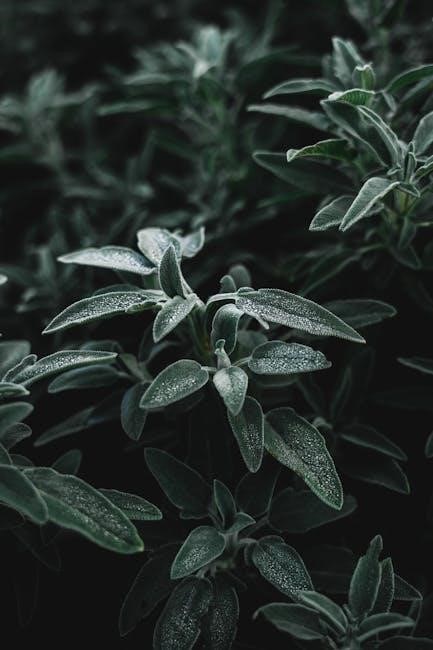
Onions should not be planted alongside beans, peas, or asparagus, as these plants can inhibit growth. Sage and other strong herbs may also compete negatively. Avoid planting onions near potatoes or cabbage, as they can attract similar pests. Keep onions separate from cucumbers and tomatoes, as they may not thrive together. Proper spacing and avoiding these plants ensures healthier onion crops and reduces competition for nutrients and sunlight.
Troubleshooting Common Issues
Common onion issues include small bulbs, pests, and diseases. Ensure proper soil, sunlight, and watering. Address pests like thrips and diseases promptly to maintain healthy growth.
Why Onions May Not Bulb Properly
Onions may fail to bulb due to incorrect variety selection for your region, poor soil quality, or insufficient sunlight. Overwatering or underwatering can also hinder bulb formation. Ensure proper spacing and avoid excessive nitrogen, which promotes leaf growth over bulbs. Pests like thrips and diseases can further stress plants, reducing bulb size. Timing planting according to your region’s day length is crucial for proper bulbing. Address these factors to achieve larger, healthier onion bulbs.
Solving Problems with Onion Size
Small onion bulbs often result from inadequate spacing, poor soil preparation, or insufficient nutrients. Ensure proper spacing to allow roots to develop fully. Maintain consistent moisture, as fluctuations can stunt growth. Apply balanced fertilizers to promote healthy development. Mulching around plants helps retain moisture and suppress weeds, giving onions more resources to grow; Monitor for pests and diseases, as they can significantly impact bulb size. Addressing these factors can lead to larger, healthier onion bulbs and a more successful harvest.
Dealing with Onion Pests and Diseases
Common onion pests include thrips, aphids, and maggots, which can damage bulbs and foliage. Regularly inspect plants and use neem oil or insecticidal soap to control infestations. Fungal diseases like powdery mildew and root rot thrive in moist conditions; Ensure good air circulation, avoid overwatering, and treat infections with fungicides. Crop rotation and companion planting with garlic or radishes can help deter pests and diseases, promoting healthier onion growth and reducing the need for chemical interventions.
Success Stories from Gardeners
Gardeners across the U.S. share success stories with Dixondale Farms onion plants. One gardener in Southern Louisiana achieved a bountiful harvest using their long-day onion varieties, praising their reliability and flavor.
Experiences with Dixondale Farms Onion Plants
Gardeners nationwide praise Dixondale Farms for their high-quality onion plants. A gardener in Southern Louisiana successfully grew onions for the first time using their varieties, while another in Iowa noted improved yields despite challenges. Many credit the farm’s region-specific selections and robust starts for their success. These experiences highlight Dixondale’s commitment to providing reliable, adaptable onion plants tailored to diverse climates, helping gardeners achieve bountiful harvests and flavorful results.
Tips from Successful Onion Growers
Successful onion growers emphasize proper soil preparation, consistent watering, and adequate sunlight. Many recommend companion planting with tomatoes or herbs to enhance growth. Timing is crucial—planting in cooler seasons and ensuring sufficient spacing. Gardeners also stress the importance of using high-quality onion starts, like those from Dixondale Farms, to ensure robust growth. By following these practices, growers achieve larger, healthier bulbs and flavorful results, making their efforts rewarding and productive.
Sustainability in Onion Farming
Sustainable onion farming involves eco-friendly practices like crop rotation, organic matter addition, and reduced chemical use. Dixondale Farms promotes these methods to ensure long-term soil health and productivity.
Eco-Friendly Practices for Onion Growing
Eco-friendly onion growing involves using natural methods to enhance soil health and reduce environmental impact. Practices include adding organic matter like compost, using efficient watering techniques, and avoiding excessive chemicals. Companion planting with beneficial crops, like tomatoes, can improve growth and deter pests naturally. Dixondale Farms emphasizes sustainable farming, promoting long-term soil fertility and biodiversity. These practices not only support the environment but also lead to healthier, more flavorful onions, making them a cornerstone of responsible agriculture.
Reducing Chemical Use in Onion Farming
Dixondale Farms emphasizes sustainable practices to minimize chemical use in onion farming. By adopting crop rotation, organic fertilizers, and biological pest control, farmers can reduce reliance on synthetic inputs. These methods not only protect the environment but also improve soil health and biodiversity. Dixondale Farms encourages growers to adopt eco-friendly techniques, ensuring a healthier ecosystem and more sustainable onion production for future generations.
Frequently Asked Questions
Common questions about onion planting include addressing small bulb growth and regional timing. Dixondale Farms experts provide tailored advice for optimal results in various climates and conditions.
Common Questions About Onion Planting
Gardeners often ask about addressing small bulb growth and regional planting timing. Dixondale Farms experts emphasize the importance of soil preparation, proper watering, and variety selection. They also discuss companion planting benefits and pest management strategies. Additionally, questions about optimal sunlight exposure and fertilization schedules are frequently raised. The guide provides tailored advice for different climates, ensuring gardeners can overcome challenges and achieve successful harvests. Proper techniques and timing are key to maximizing yields and flavor.
Answers from Dixondale Farms Experts
Dixondale Farms experts recommend selecting varieties suited to your climate and ensuring proper soil preparation. They emphasize consistent watering and adequate sunlight for optimal growth. Timing planting according to regional seasons is crucial, as is avoiding over-fertilization. Experts also suggest starting with healthy onion sets and maintaining proper spacing to prevent competition. Regular monitoring for pests and diseases is advised, along with companion planting to enhance growth; Following these guidelines ensures a bountiful and flavorful harvest.
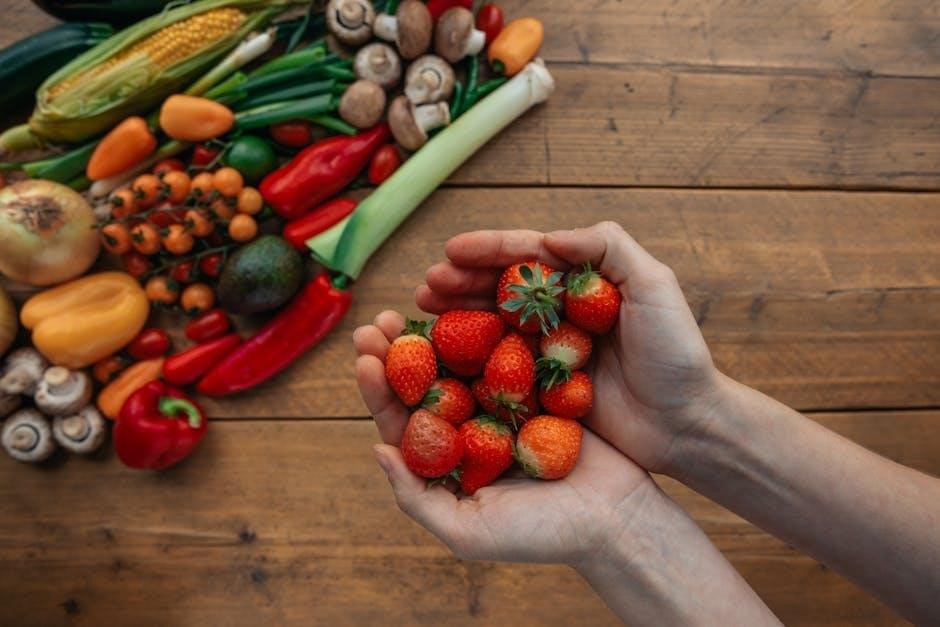
Dixondale Farms Onion Planting Guide offers expert advice for successful onion cultivation. By following soil preparation, timing, and companion planting tips, gardeners can achieve robust, flavorful harvests consistently.
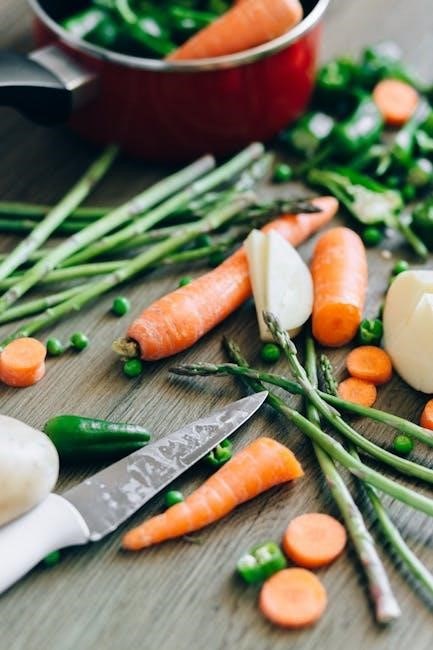
Final Tips for Successful Onion Planting
For a thriving onion harvest, ensure consistent watering, proper spacing, and optimal sunlight. Use long-day varieties like those from Dixondale Farms for colder climates. Avoid over-fertilizing and keep soil well-draining. Companion planting with tomatoes or carrots can enhance growth. Monitor for pests and diseases regularly. Rotate crops annually to maintain soil health. With patience and these tips, you’ll enjoy a bountiful and flavorful onion harvest every season.
Encouragement for Future Growing Seasons
Embrace the journey of onion cultivation with confidence and patience. Each season offers new opportunities to refine techniques and celebrate progress. Dixondale Farms’ expertise and high-quality plants empower gardeners to achieve success. Share experiences, learn from others, and experiment with new varieties. The joy of nurturing your garden and witnessing growth is deeply rewarding. Keep exploring, stay persistent, and look forward to bountiful harvests in the years to come!